What Is a Chatbot? Definition, Types, and Examples
Have you ever visited a website and seen a small chat bubble pop up in the corner saying, “Hi! How can I help you today?” Or maybe you’ve asked Siri to set an alarm or messaged a business on WhatsApp to track an order. If so, you have already interacted with a chatbot.
In today’s digital world, chatbots are everywhere. They help us buy shoes, check our bank balances, and even troubleshoot computer problems without us ever having to pick up a phone. But what exactly are they, and how do they work? In this guide, we will break everything down into simple terms so you can become a chatbot expert!
Table of Contents
- Introduction to Chatbots
- Why Are Chatbots Becoming Popular?
- What Is a Chatbot?
- How Chatbots Work in Basic Terms
- How Do Chatbots Work?
- 3. Natural Language Processing (NLP)
- Types of Chatbots Explained
- AI-Powered Chatbots
- Real-Life Examples of Chatbots
- Benefits of Using Chatbots
- Limitations of Chatbots
- Future of Chatbots
- Summery
Introduction to Chatbots
At its simplest, a chatbot is a computer program designed to simulate a conversation with human users. Think of it as a “talking robot” that lives inside your computer or phone. Instead of a physical body, it uses text or voice to communicate with you.
Why Are Chatbots Becoming Popular?
Chatbots are exploding in popularity because they solve a big problem: waiting. In the past, if you had a question for a company, you had to call them and wait on hold for a long time. Chatbots change that by giving instant answers 24/7.
Businesses love them because they can talk to thousands of customers at the same time, which saves money and keeps customers happy. You can find them almost everywhere today:
- Customer Support: Helping you return items on eCommerce sites.
- WhatsApp & Social Media: Letting you book appointments or check flight statuses.
- Mobile Apps: Helping you fill out forms at a doctor’s office.
What Is a Chatbot?
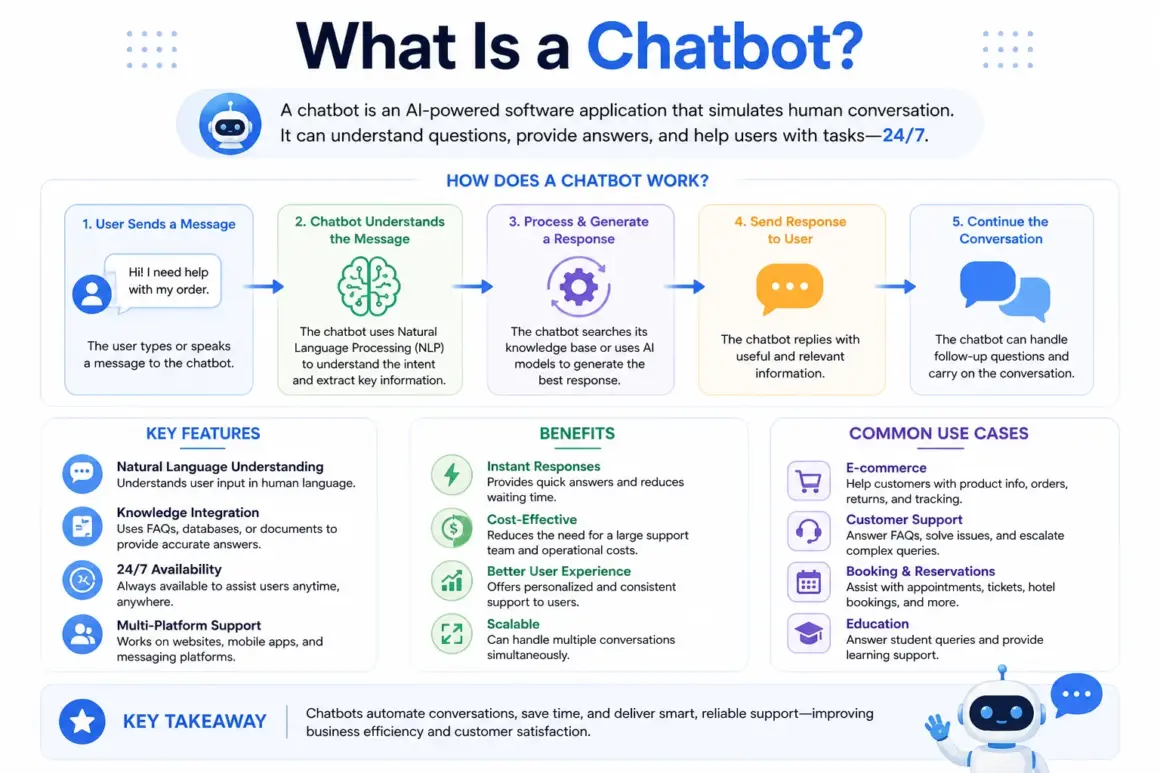
A chatbot is software that can have a conversation with you, just like a human would. Simply it simulates human conversation, It can understand questions and provide answers.
How Chatbots Work in Basic Terms
Imagine you are at a restaurant. You tell the waiter what you want (input), the waiter tells the kitchen (processing), and the kitchen brings your food (response). A chatbot does something very similar:
- Input: You type a message like “Where is my order?”
- Processing: The bot looks through its data to find the answer.
- Response: The bot tells you, “Your order is on the way!”
Chatbot vs. Human Conversation
The biggest difference is that a human understands feelings, sarcasm, and complex jokes. A chatbot, even a smart one, follows code and data. While a human might get tired or annoyed, a chatbot is always polite and never sleeps.
How Do Chatbots Work?
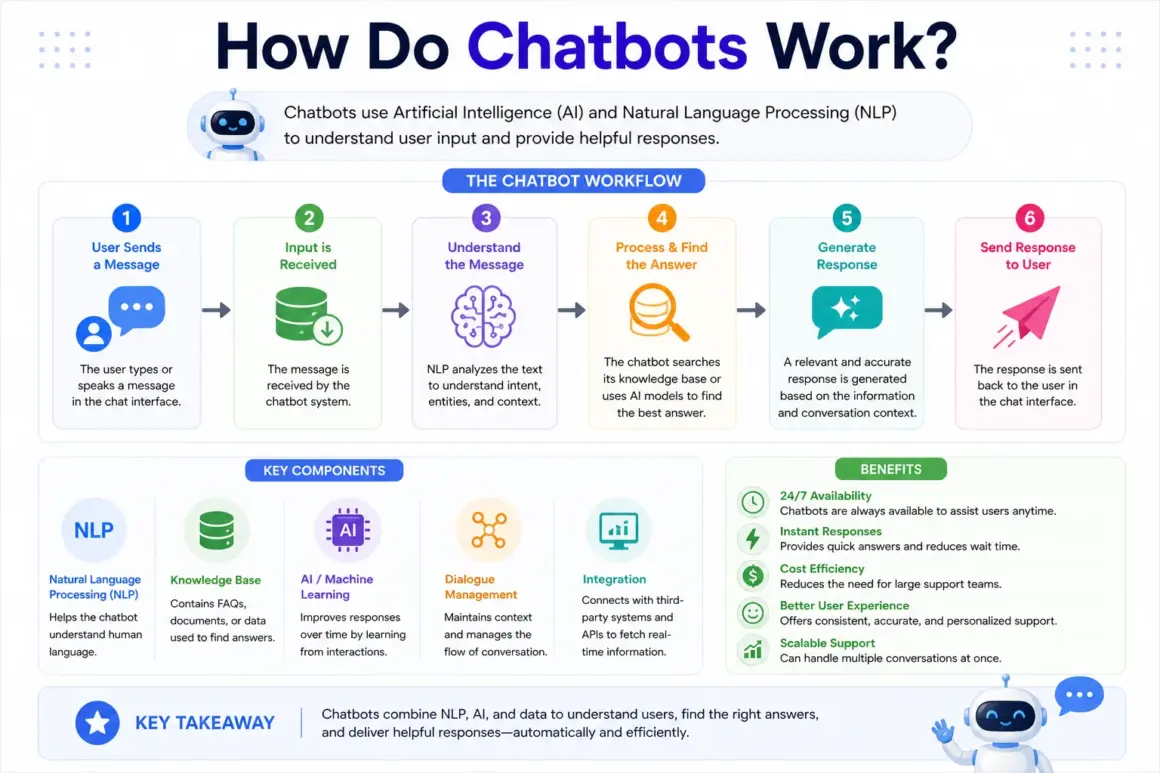
To understand how chatbots work, we need to look at the “brain” of the bot. There are three main parts that make a chatbot function:
1. Input
The process starts when you type or speak to the bot. This is called the “user request”.
2. Processing
This is where the bot tries to understand what you want. It uses two main methods:
- Rules: Some bots follow a simple “if-then” logic. If you say “Hello,” it says “Hi”.
- AI (Artificial Intelligence): Smarter bots use Machine Learning to learn from past conversations and get better over time.
3. Natural Language Processing (NLP)
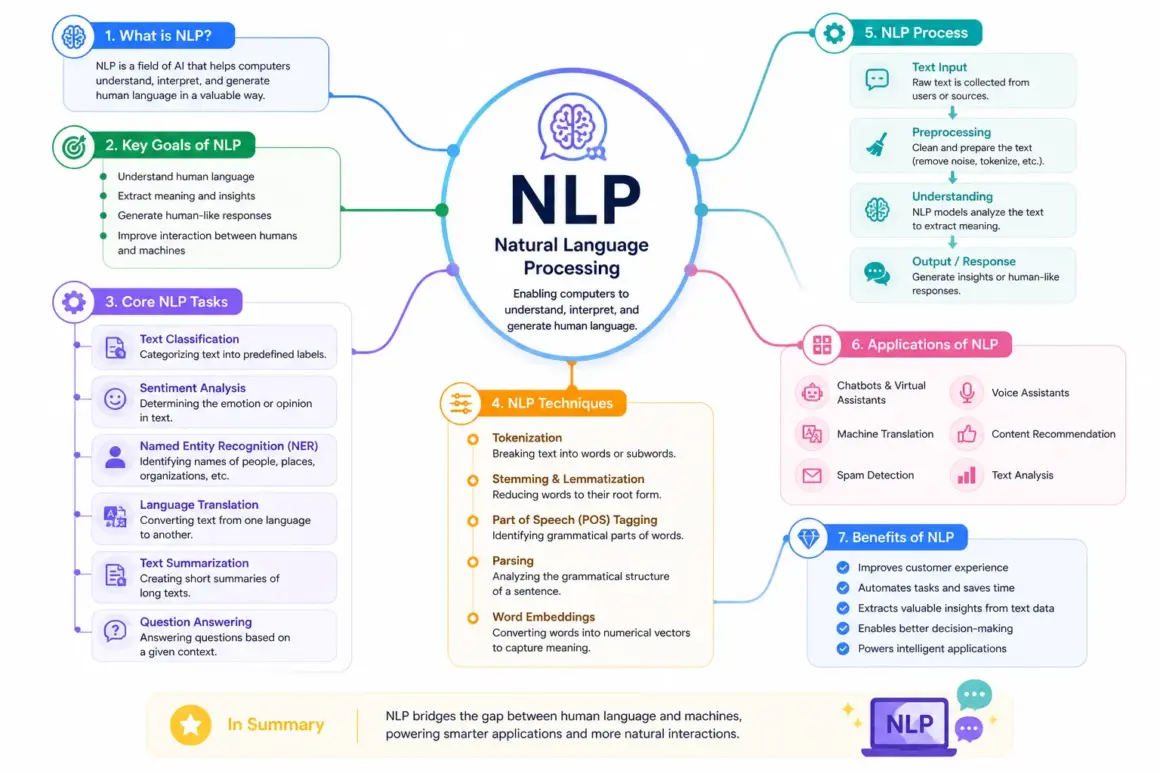
NLP is a very important concept. Think of it as the “translator” that helps a computer understand human language. Humans speak in many different ways. One person might say, “I need to reset my password,” while another says, “Help me log in.” NLP helps the bot realize that both people want the same thing: account recovery.
Types of Chatbots Explained
Not all chatbots are created equal. They are usually divided into categories based on how “smart” they are.
Businesses choose different types of chatbots depending on what they need. A small shop might only need a simple bot to show opening hours, while a big bank needs a smart bot to handle private account data.
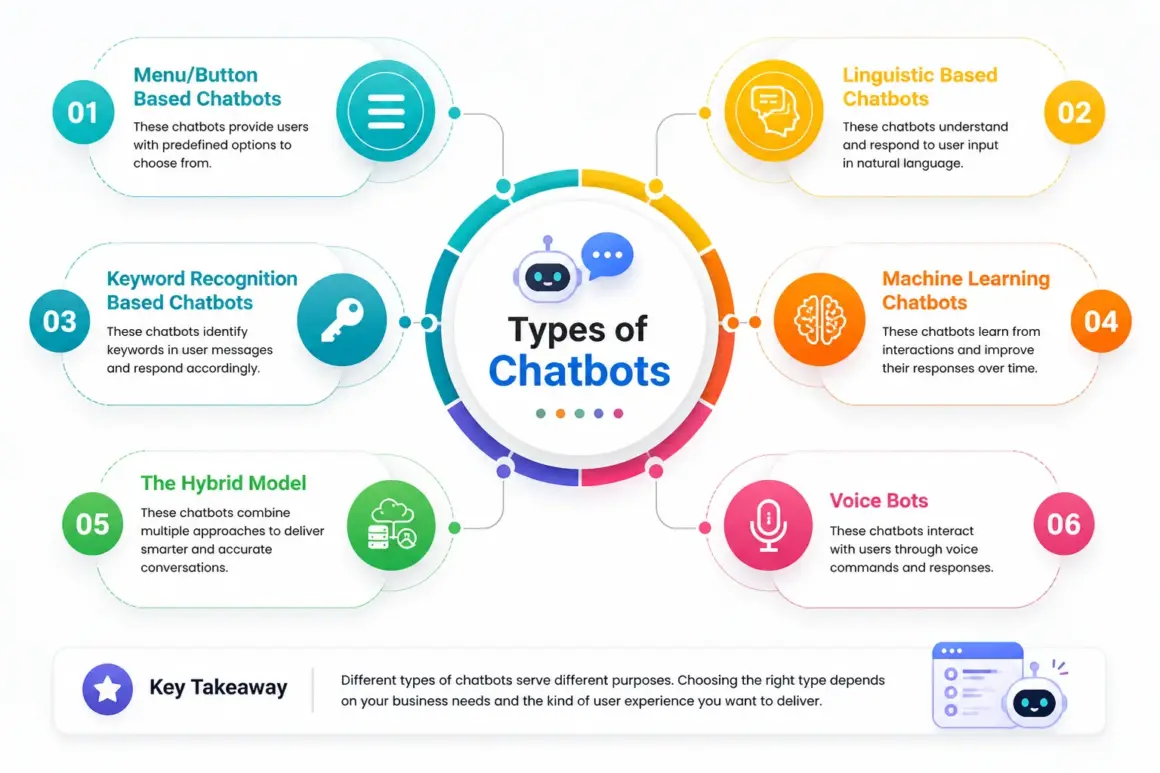
The three main types are:
- Rule-Based Chatbots (Simple)
- AI-Powered Chatbots (Smart)
- Hybrid Chatbots (A mix of both)
Rule-Based Chatbots
Rule-based chatbots are the most basic type. They are often called “Decision-Tree” bots because they follow a fixed path, like a flowchart.
What They Are
These bots don’t “think.” Instead, they follow a set of rules made by a human. If a user clicks a specific button or types a specific word, the bot gives a pre-written answer.
FAQ Bots
A common example is a bot on a website that asks, “Are you a new or returning customer?” Depending on which button you click, it takes you to the next set of options.
Pros:
- Fast to set up: You can build one in just a few minutes.
- Cheap: They don’t require expensive AI technology.
- Reliable: They will never give a weird or “hallucinated” answer because they only say what they are told.
Cons:
- Not flexible: If you ask something that isn’t in its rules, it will get stuck and say, “I don’t understand”.
- Feels robotic: The conversation can feel very stiff.
AI-Powered Chatbots
AI-powered chatbots are much more advanced. They use Natural Language Processing (NLP) and Machine Learning to understand the intent behind your words.
What Makes Them “Smart”?
Unlike simple bots, AI bots can learn. Every time they talk to a person, they store that data and use it to be more helpful the next time. They can handle “messy” human language, including slang and typos.
Examples: Virtual Assistants
The most famous examples are ChatGPT, Siri, and Alexa. They don’t just follow buttons; you can type or say almost anything to them, and they will try to help.
Pros:
- Very flexible: They can handle complex and unexpected questions.
- Personalized: They can remember your name and your past preferences.
- Multi-lingual: Many AI bots can speak dozens of languages instantly.
Cons:
- Expensive: They often cost more to build and maintain.
- Hallucinations: Sometimes, AI bots can give answers that sound true but are actually wrong.
Real-Life Examples of Chatbots
To really understand chatbots, let’s look at how we use them every day:
- Customer Support (eCommerce): When you buy something from a store like Shopify, a bot like Tidio might help you track your package or ask for a refund.
- Banking Bots: Banks use bots like HDFC’s EVA to help you check your balance or pay bills quickly.
- Personal Assistants: Apps like Lindy act as digital secretaries, booking meetings and organizing your calendar automatically.
- Social Media Bots: On Instagram or Facebook, bots like ManyChat can automatically reply to your comments or send you a discount code when you mention a brand in your Story.
- Learning & Fun: Bots like Replika are designed to be “AI friends” that you can just chat with for fun or emotional support.
Benefits of Using Chatbots
Why is everyone talking about chatbots? Because they provide massive benefits for both people and businesses:
- 24/7 Availability: Humans need to sleep, but chatbots don’t. They can help a customer in New York at 3 AM just as easily as someone in London at noon.
- Lightning Fast Responses: Nobody likes waiting for an email reply. Chatbots give answers in seconds.
- Cost Savings: Using a bot can cut customer service costs by 29% to 46% because you don’t need to hire as many people for simple tasks.
- Handling Repetitive Tasks: About 70% of customer questions are the same repetitive things (like “Where is my order?”). Chatbots handle these, leaving humans free to solve harder problems.
Limitations of Chatbots
As great as they are, chatbots aren’t perfect yet. They have some limitations:
- No Real Emotions: A chatbot can’t truly “feel” sorry if your package is lost. While they can be programmed to be friendly, they lack true human empathy.
- Misunderstanding Complex Queries: If you ask a very long, complicated question with three different parts, the bot might get confused and give a wrong answer.
- Dependence on Data: A chatbot is only as smart as the information it is given. If its data is old, its answers will be wrong.
- Privacy Concerns: Some people worry about what happens to the personal information they share with a chatbot.
Future of Chatbots
| Feature | Rule-Based Chatbots | AI-Powered Chatbots |
|---|---|---|
| How they think | Follow pre-set scripts and buttons | Use NLP to interpret what you mean |
| Setup Time | Very fast (minutes) | Moderate to long |
| Cost | Low | Higher |
| Best For | Simple tasks like store hours | Complex tasks like medical advice |
| Flexibility | Low – they get stuck easily | High – they learn over time |
The world of chatbots is moving fast! Here is what the future looks like:
We are moving away from simple button-bots and toward “Agentic” AI. This means bots won’t just talk—they will do things. For example, a bot might not just tell you your flight is delayed; it will automatically find you a new flight and book it for you.
Soon, bots won’t just use text. They will be able to see images you send, listen to your voice, and even respond with a human-like avatar.
RAG (Retrieval-Augmented Generation)
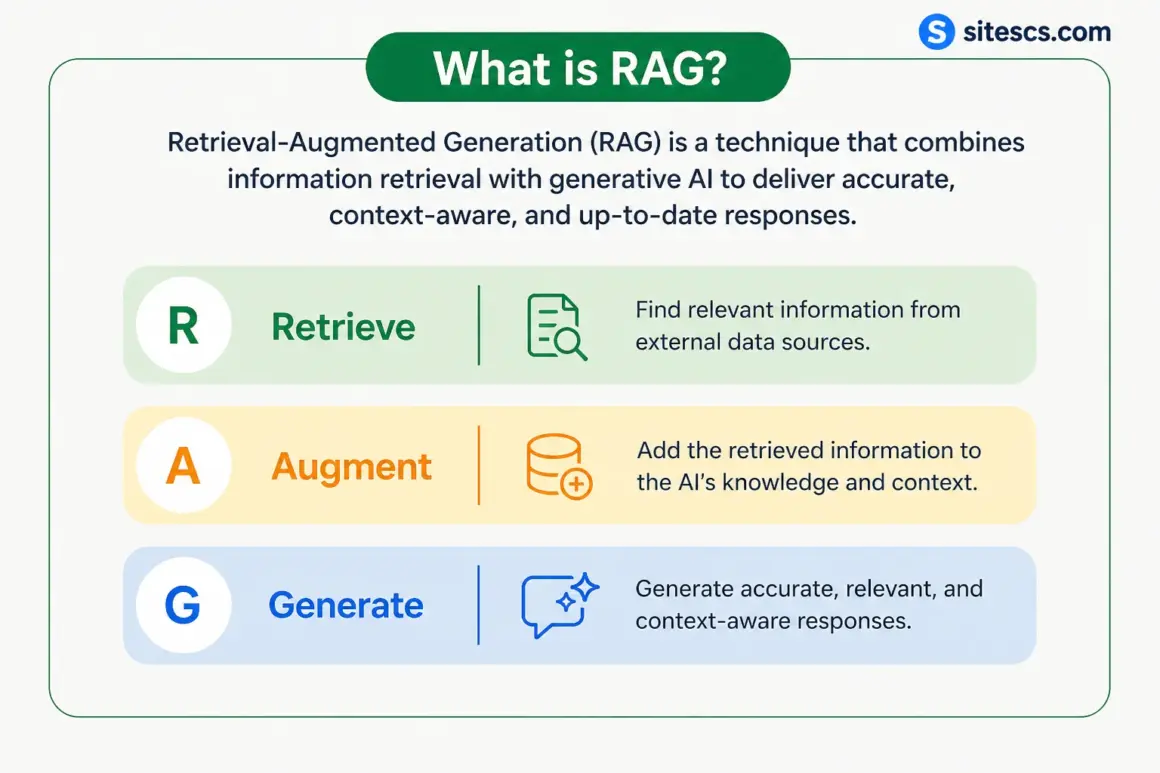
This is a fancy term for a new technology that lets AI chatbots “read” your specific documents or website in real-time. This makes them much more accurate and stops them from making things up.
Summery
In short, a chatbot is a helpful digital assistant that makes our lives easier by giving us instant information. Whether they are simple rule-based bots or smart AI-powered assistants, they are changing the way we interact with technology.
The next time you see that little chat bubble on a website, say hello! You’re talking to the future of communication.