best ai for writing non fiction books
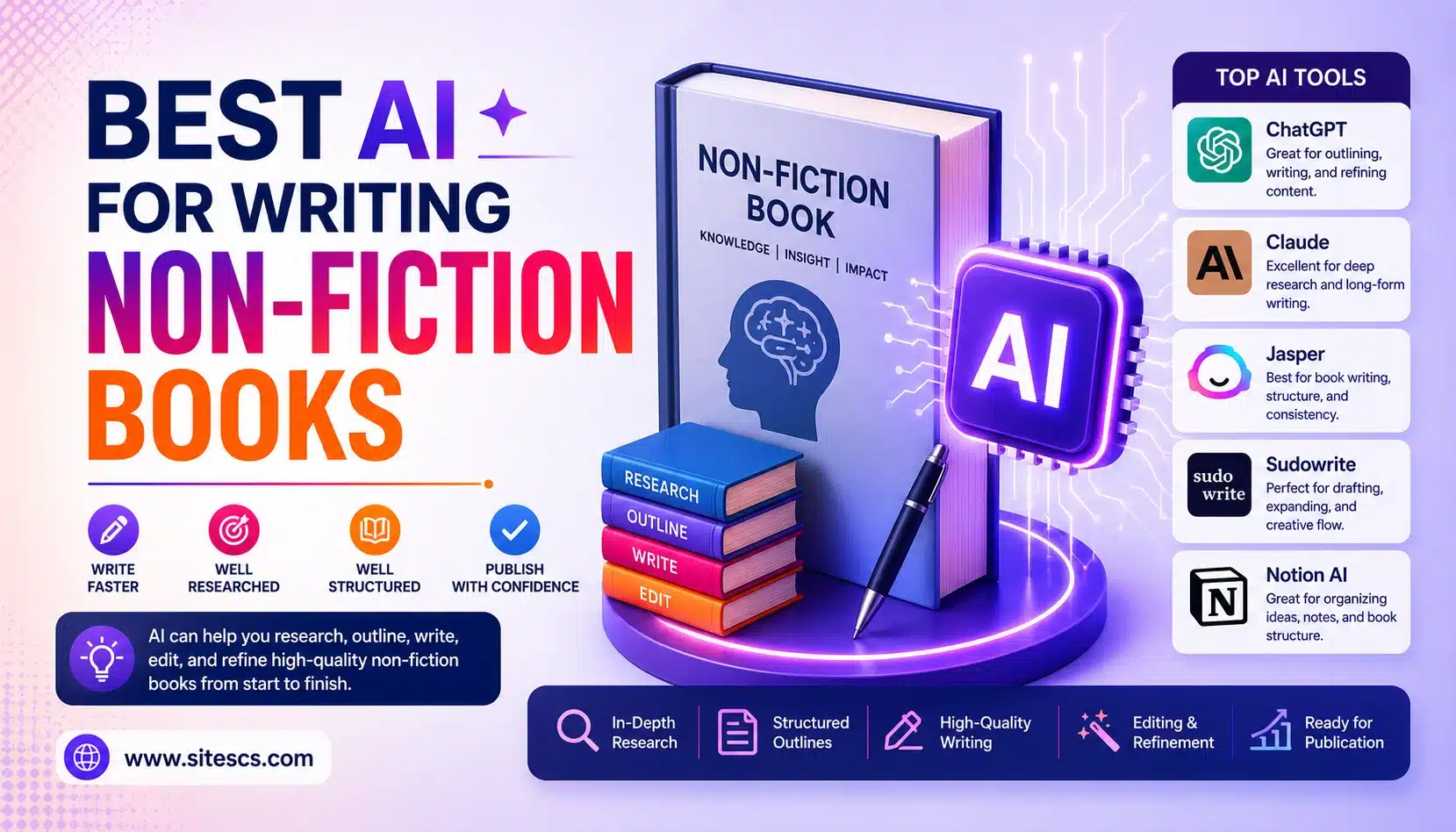
Writing a non-fiction book is a huge dream for many people! But let’s be honest: it can be really hard work to find sources, keep your notes straight, and make sure every chapter flows perfectly. In 2026, the AI world has changed, and there are now special tools made just for authors who want to share their expertise without getting stuck in the “busywork”.
Whether you are a business expert or a researcher, these 7 AI tools will help you build a professional manuscript while keeping your unique voice!
SidekickWriter: The Master of Research
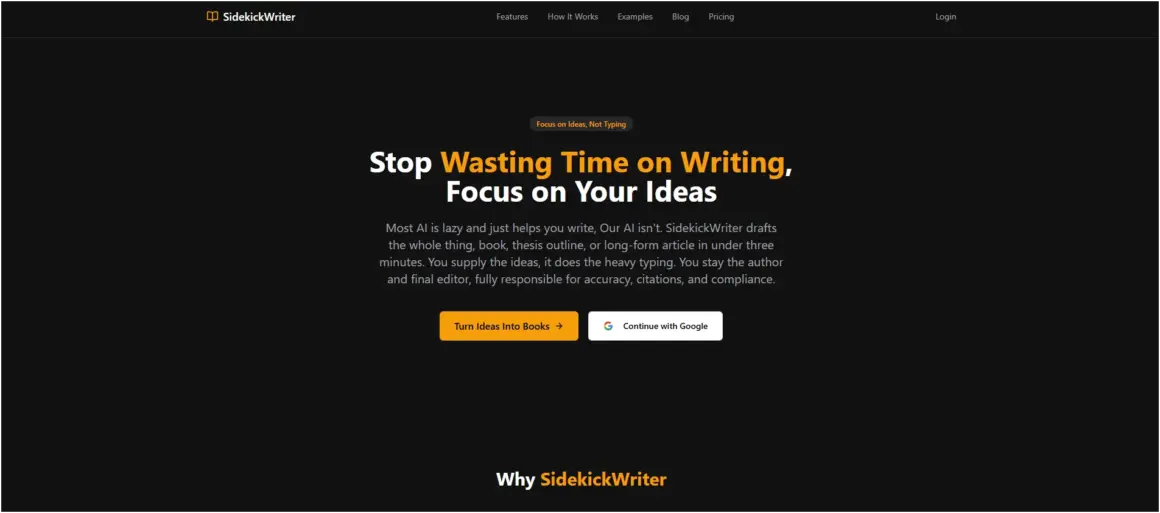
If your book needs to be full of real facts, SidekickWriter is a top choice. It is built specifically for non-fiction authors who need to find reliable research and citations. Instead of just giving you text, it gives you a “citation scaffolding” that you can actually verify, which is very important so you don’t publish something wrong. It helps you build your book with evidence right from the start.
AIWriteBook: The All-in-One Studio
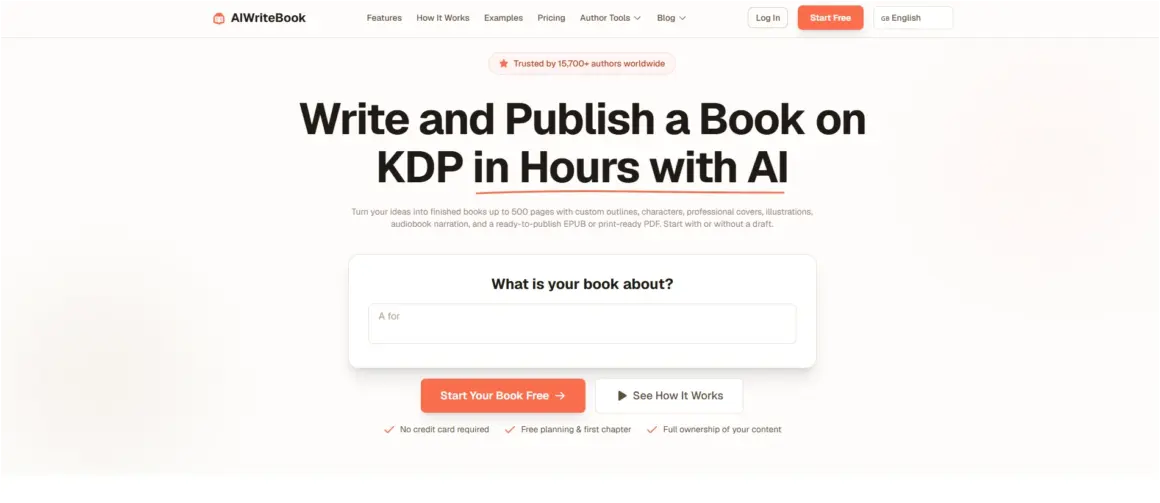
For authors who want one tool to do everything, AIWriteBook is the winner. It takes you through the entire journey—from creating an outline to writing chapters and even generating a cover and an audiobook. It is perfect if you plan to publish on Amazon KDP because it has built-in formatting that saves you a lot of time.
Teneo: Professional Publisher Grade
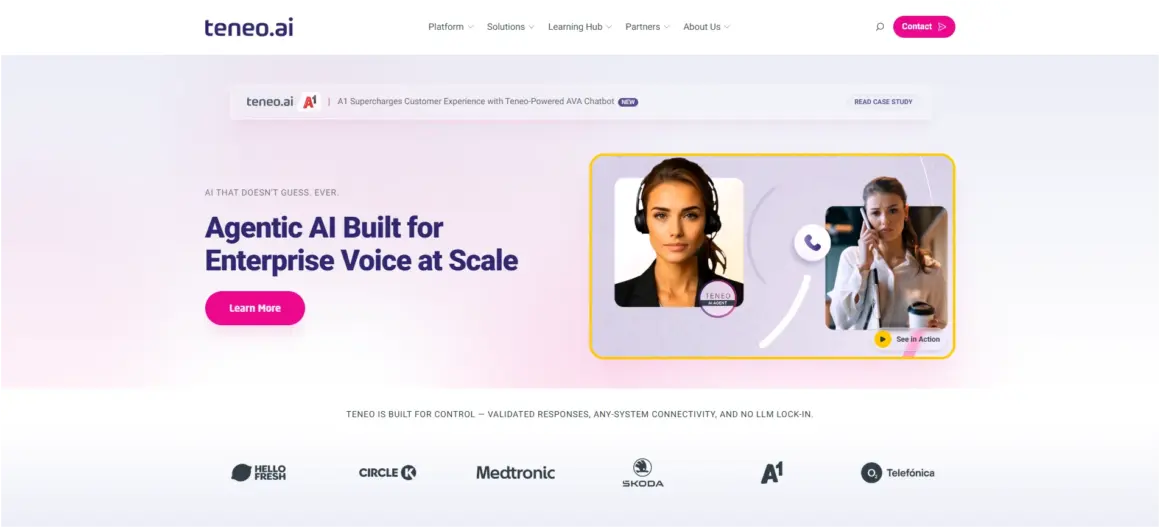
Teneo is great for people who want to run a publishing business, not just a hobby. It uses a “human-in-the-loop” system, which means you stay in total control of the outline and the final editing. For just $10, you can test a full manuscript workflow, which is way cheaper than hiring an expensive ghostwriter. It even uses multiple AI models (like GPT-4 and Claude) together to catch errors that a single model might miss.
Perplexity: Your AI Librarian
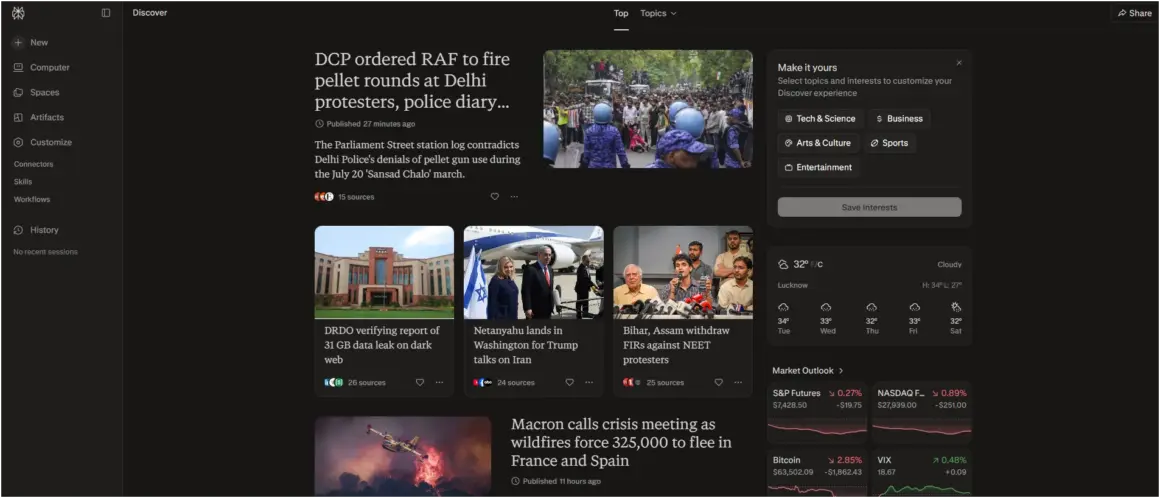
Think of Perplexity as your personal, high-speed librarian. It specializes in real-time search and provides clickable citations that link back to real books and journals. It doesn’t just guess facts; it shows you exactly where the information came from, making it perfect for verifying statistics or market data for your book.
Claude: The Natural Storyteller
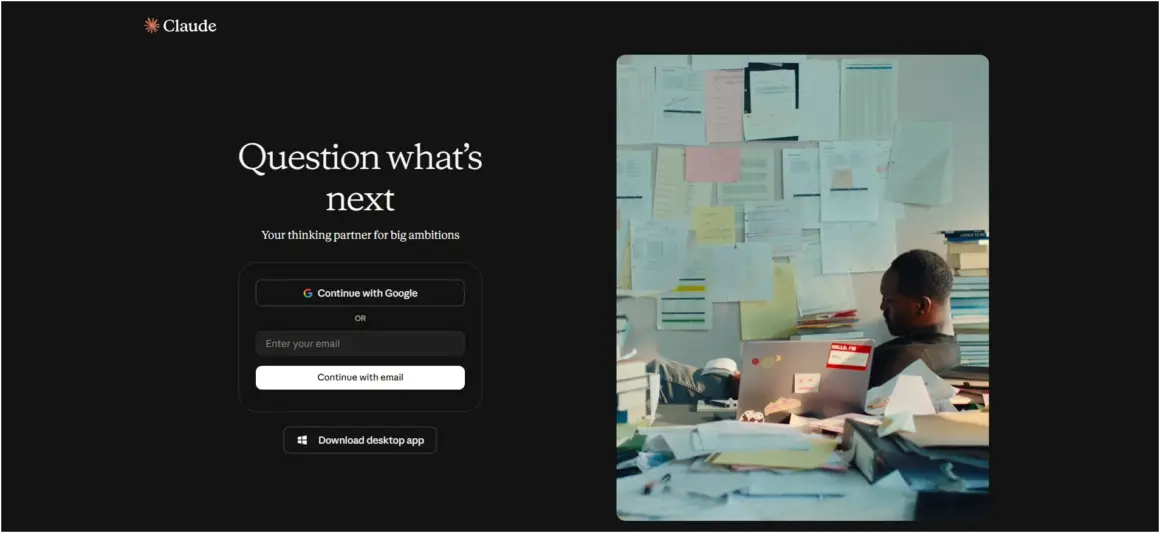
If you want your book to sound like a real person wrote it, Claude (by Anthropic) is the best writer. It produces prose that is less formulaic and follows your “tone” instructions very closely. Many writers prefer it because it doesn’t use as many boring transition words like “Moreover” or “In conclusion”. It helps you sound credible and human.
R Discovery: The Scholar’s Choice
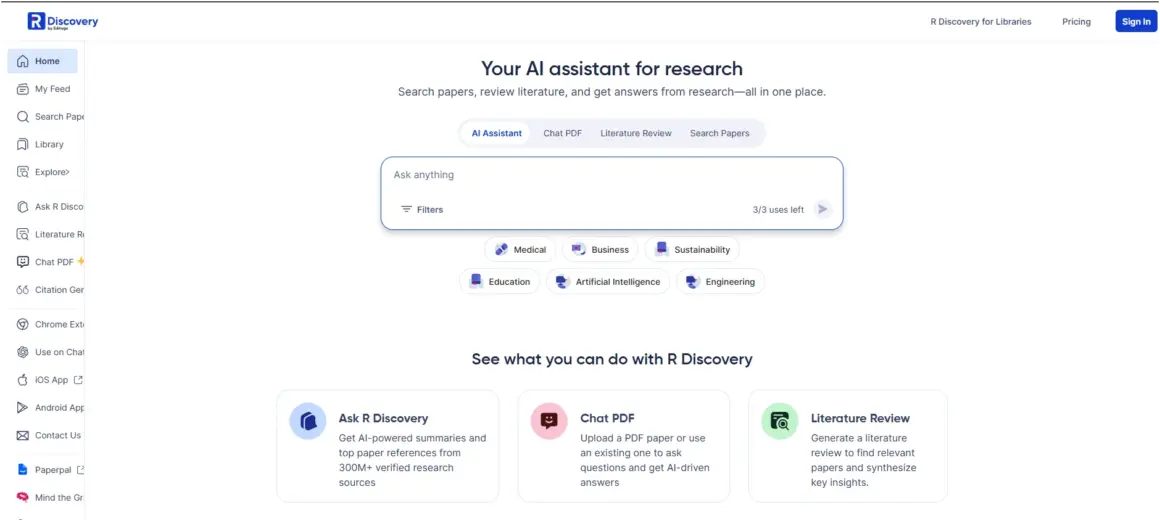
For academic books or deep literature reviews, R Discovery is a must-have tool. It gives you access to over 300 million research papers and 32,000 journals. It even has a feature called “Audio Papers” so you can listen to research while you are on the go! It helps you find and synthesize key insights from a massive library of verified information.
ChatGPT: The Versatile Generalist
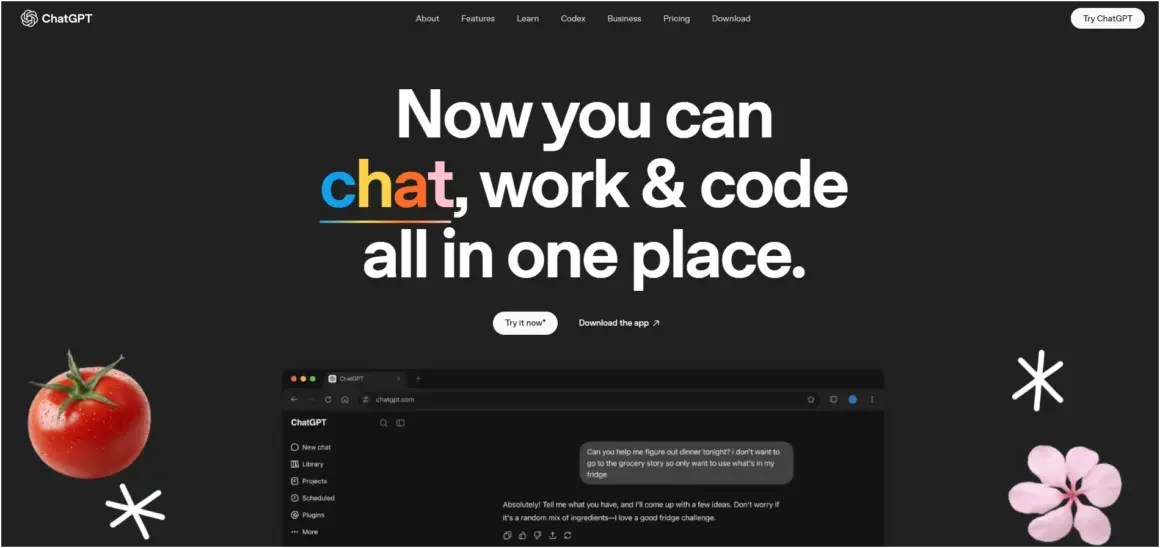
ChatGPT is a great tool that almost everyone knows. It is excellent for brainstorming ideas, creating structures, and helping you rewrite sections to make them clearer. While it might not be a “complete book platform,” it is very budget-friendly and has a huge ecosystem of custom tools that can help you along the way.
What are non fiction books
Non-fiction books are factual works that focus on sharing real-world information, insights, and unique perspectives rather than made-up stories. Unlike fiction, which is driven by plot and characters, non-fiction requires a logical structure that builds on ideas to deliver a specific promise to the reader!
These books are judged by their authority, credibility, and clarity of thought. At its heart, a non-fiction book is more than just a list of facts; it is a “body of thought” where an author interprets and communicates deep insights through research or lived experience! Use these tools to share your expertise with the world today!
Important Tips for Non-Fiction Success!
While AI is amazing, writing non-fiction is about authority and your unique perspective. Here are a few things to remember:
- Don’t replace your thinking: AI is an assistant, not the author. If you let AI write everything, your book might end up sounding exactly like everyone else’s.
- Verify your facts: AI can sometimes make up “hallucinated” statistics. Always check your citations against the original source before you publish.
- Disclose AI use: If you publish on Amazon KDP, you must let them know if you used AI to generate your content.
- Keep your voice: Strong non-fiction needs your personal observations and “intellectual risk”.
You can finally finish that book you’ve been dreaming about! By using these tools as your helpers, you can focus on your expertise and get your message out to the world much faster. Which tool will you try first?